Festivals of Sri Lanka: A Celebration of Diversity and Culture
Srilanka's festivals reflect the deep-rooted spiritual and cultural values of its multi-ethnic and multi-religious society. With four major religions—Buddhism, Hinduism, Islam, and Christianity—Sri Lanka hosts a wide array of festivals throughout the year, celebrated with joy and devotion.
1. Buddhist Festivals
Buddhism is the predominant religion in Sri Lanka, and its festivals are deeply revered, often marking significant events in the life of the Buddha.
Vesak (May)
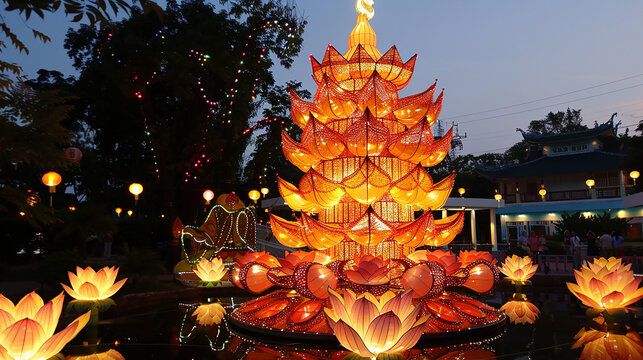
- Significance: Celebrates the birth, enlightenment, and passing away of the Buddha.
Key Practices:
- Houses and streets are decorated with lanterns, lights, and Vesak pandals (large illuminated panels depicting stories from the Buddha's life).
- Devotees visit temples to offer prayers and engage in acts of charity.
- "Dansalas" (free food stalls) are set up for the public.
- Cultural Impact: Recognized as a time for reflection, spiritual growth, and community service.
Poson (June)
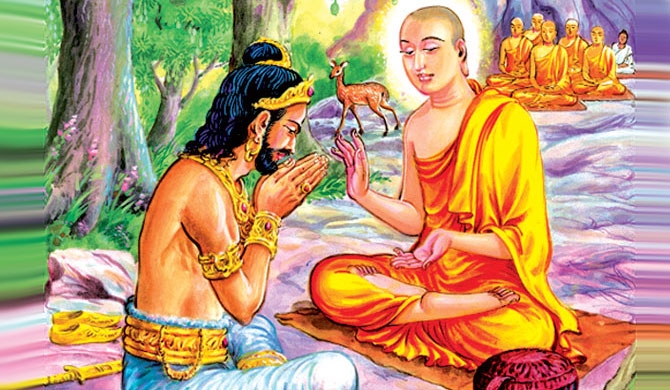
- Significance: Commemorates the introduction of Buddhism to Sri Lanka by Arahat Mahinda in the 3rd century BCE.
Key Practices:
- Pilgrimages to Mihintale, where Buddhism was first preached.
- Religious observances and cultural activities.
- Highlight: Special emphasis on the values of compassion and non-violence.
Esala Perahera (July/August)
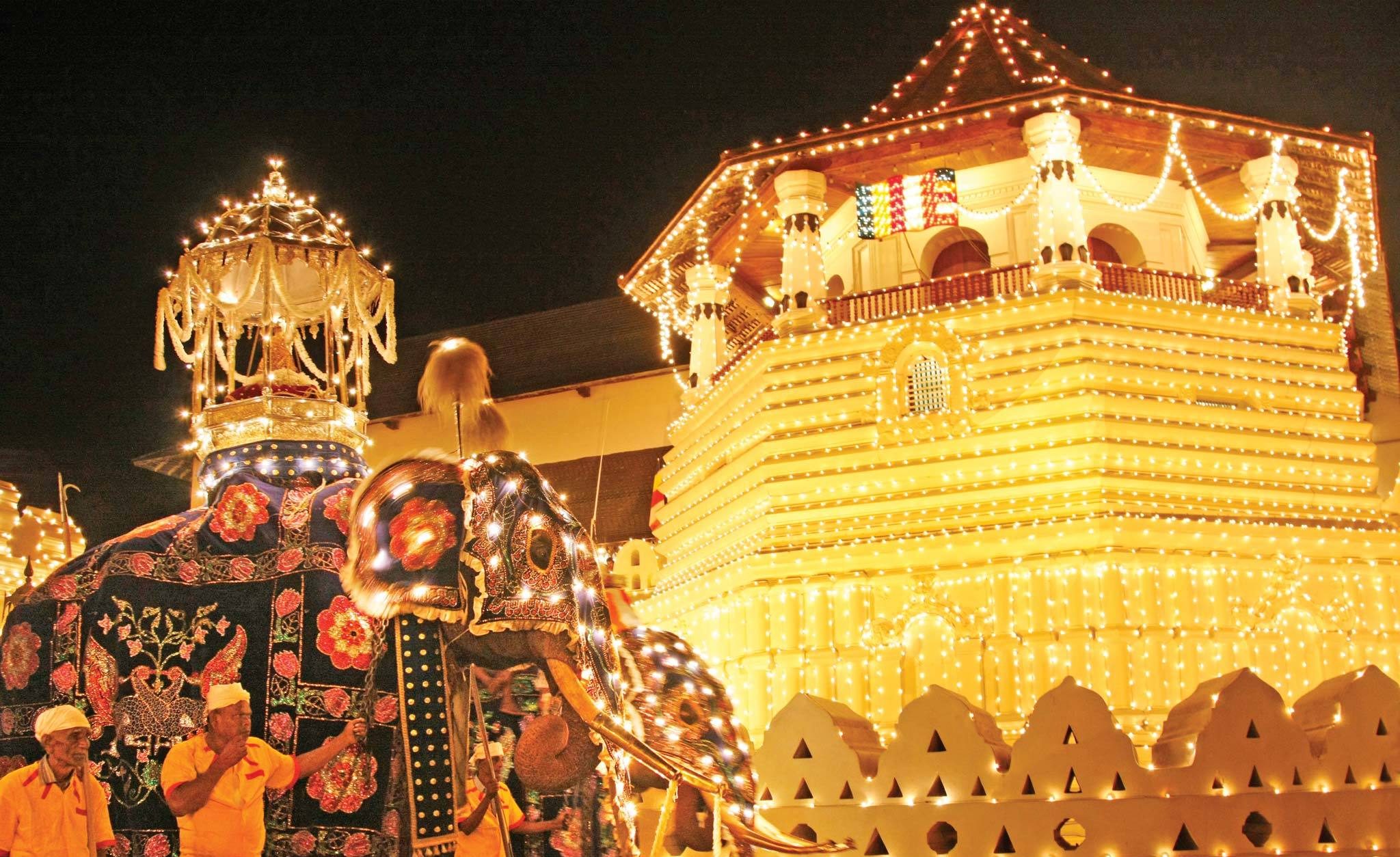
- Location: Kandy.
- Significance: Honors the Sacred Tooth Relic of the Buddha.
Features:
- A grand procession with traditional drummers, dancers, elephants adorned in elaborate costumes, and the sacred relic carried in a golden casket.
- Reflects Sri Lanka’s rich cultural heritage and Buddhist devotion.
2. Hindu Festivals
Hindu festivals are vibrant and colorful, rooted in Tamil traditions and mythology.
Thai Pongal (January)
.jpeg)
- Significance: A harvest festival giving thanks to the Sun God for agricultural abundance.
Key Practices:
- Boiling rice and milk in a clay pot until it overflows (symbolizing prosperity).
- Decorating homes with kolam (patterns drawn with rice flour).
- Cultural Importance: Celebrated with family gatherings and rituals.
Maha Shivaratri (February/March)
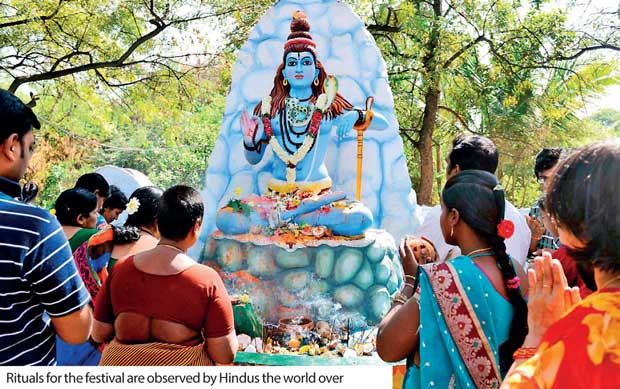
- Significance: Dedicated to Lord Shiva, symbolizing devotion and self-discipline.
Key Practices:
- Nightlong prayers and fasting.
- Offerings of fruits, flowers, and milk at temples.
- Highlight: Observed with solemnity in major Hindu temples, including those in Jaffna and Trincomalee.
Nallur Festival (August/September)

- Location: Nallur Kandaswamy Temple, Jaffna.
- Duration: 25 days.
Features:
- Processions, traditional music, and rituals.
- Thousands of devotees participate, showcasing Tamil Hindu culture.
Islamic Festivals
The Muslim community in Sri Lanka celebrates festivals that mark significant events in Islamic tradition.
Ramadan (Eid-ul-Fitr)
.jpeg)
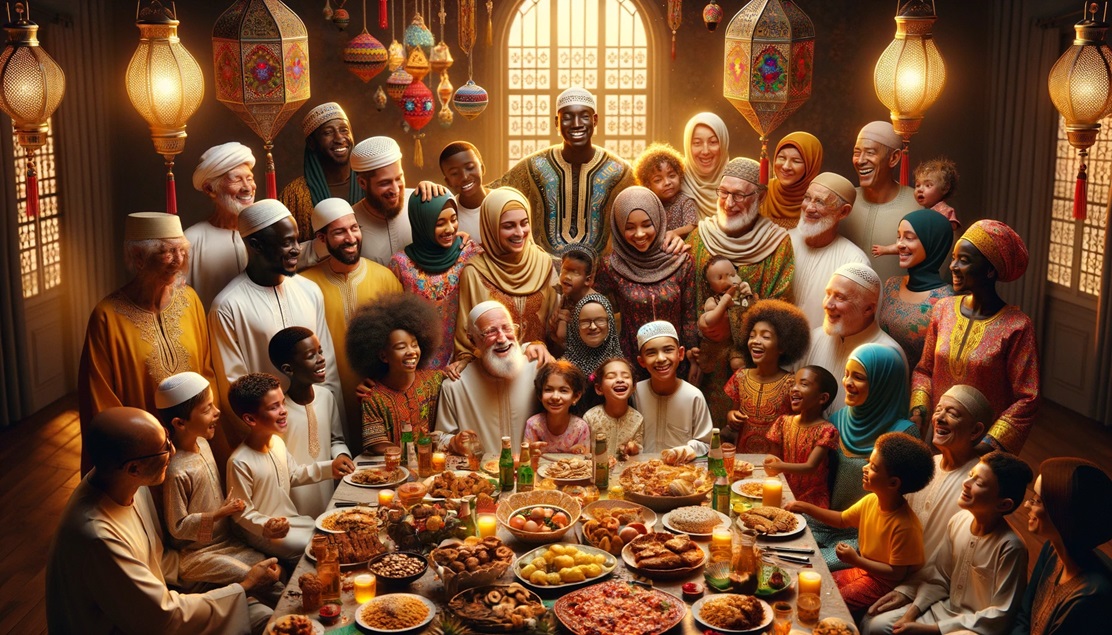
- Significance: Marks the end of Ramadan, the Islamic holy month of fasting.
Key Practices:
- Special prayers at mosques.
- Feasts with family and friends.
- Acts of charity, such as giving zakat (alms).
- Highlight: A time of spiritual renewal and community bonding.
Eid-ul-Adha (Festival of Sacrifice)
- Significance: Commemorates the willingness of Prophet Ibrahim (Abraham) to sacrifice his son in obedience to God.
Key Practices:
- Animal sacrifice (goats or cows), with the meat distributed to the needy.
- Prayers and festive meals.
- Cultural Impact: Emphasizes compassion and generosity.
Christian Festivals
The Christian community, primarily Roman Catholics, celebrates significant events in the Christian calendar with devotion and grandeur.
Christmas (December 25)
.jpeg)
- Significance: Celebrates the birth of Jesus Christ.
Key Practices:
- Midnight masses in churches.
- Carol singing and Nativity plays.
- Homes and streets adorned with Christmas trees and lights.
- Highlight: A festive and joyous occasion across the island, shared by people of all faiths.
Easter (March/April)
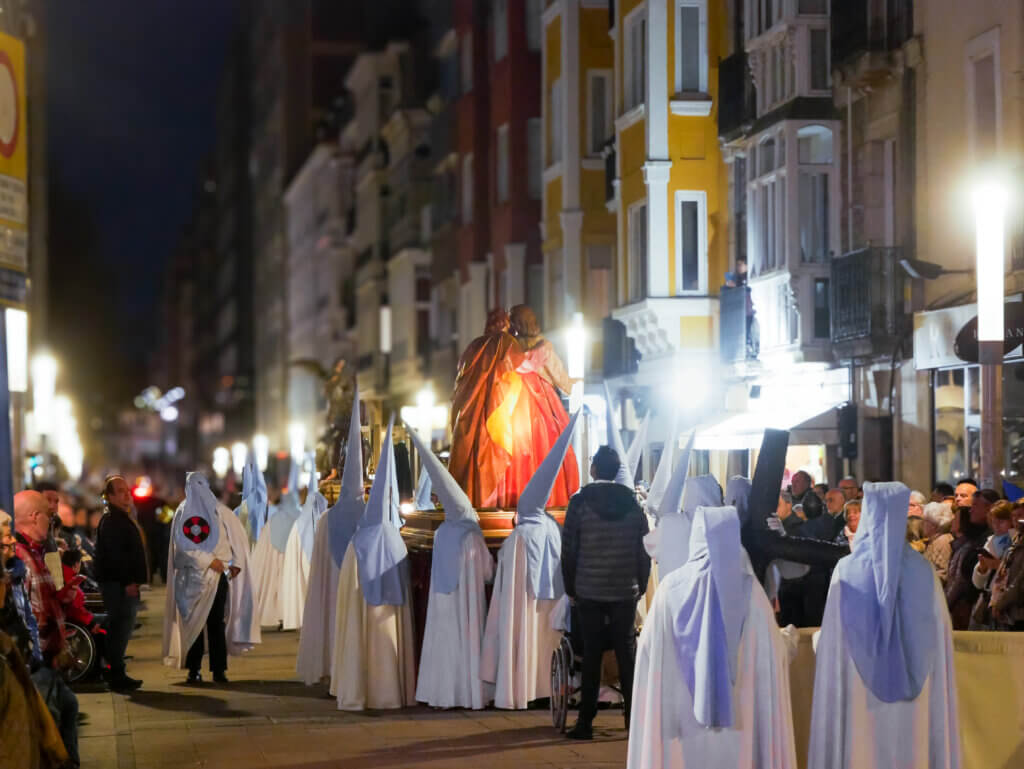
- Significance: Commemorates the resurrection of Jesus Christ.
Key Practices:
- Special church services.
- Processions reenacting the Passion of Christ.
- Cultural Importance: Marks renewal and hope in the Christian faith.
5. National and Cultural Festivals
Sinhala and Tamil New Year (April)
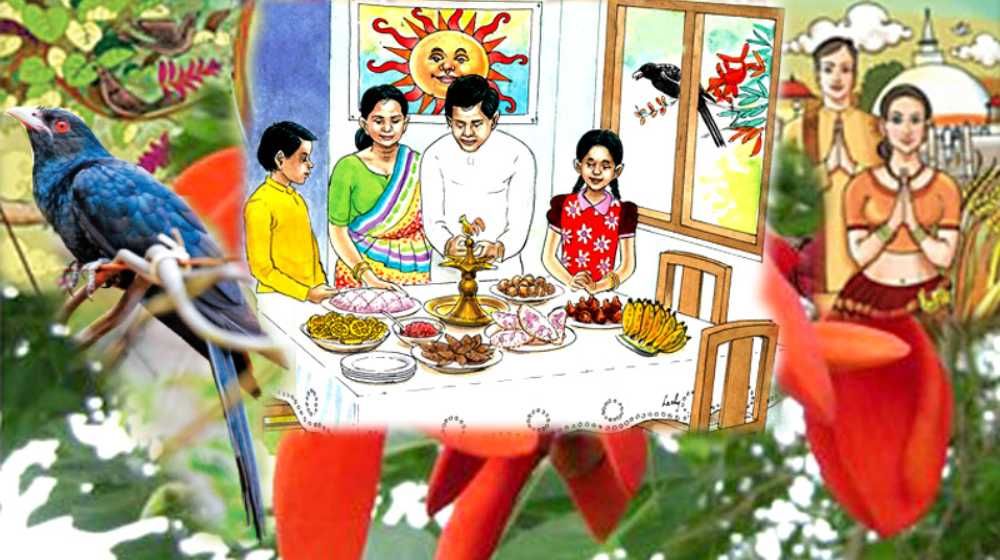
- Significance: Celebrates the traditional New Year for both the Sinhalese and Tamil communities.
Key Practices:
- Observing rituals like lighting the hearth at an auspicious time.
- Preparing traditional foods such as kiribath (milk rice) and sweets.
- Engaging in games, cultural performances, and exchanging gifts.
- Highlight: Symbolizes unity, renewal, and harmony between communities.
Independence Day (February 4)
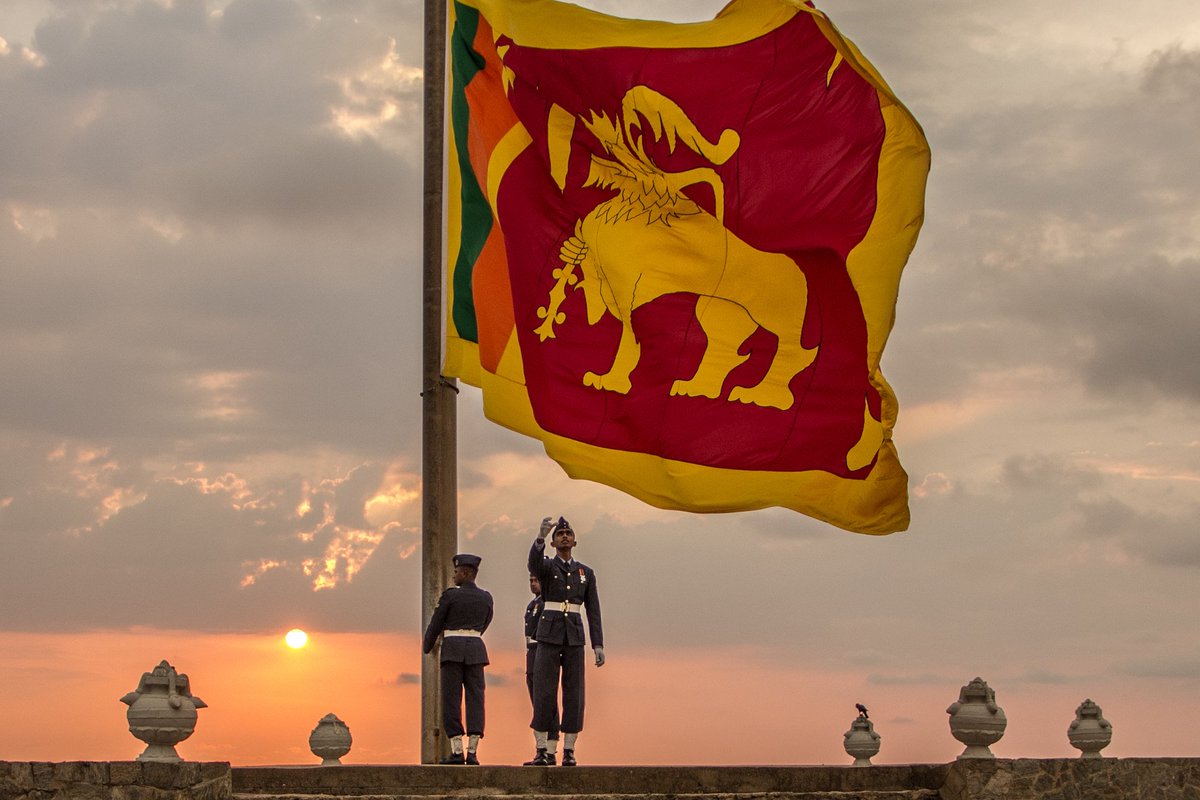
- Significance: Marks Sri Lanka’s independence from British rule in 1948.
- Features:
- Parades, flag hoisting, and cultural programs.
- Commemorates the sacrifices of national heroes.
6. Unique Regional Festivals
Kataragama Festival (July/August)
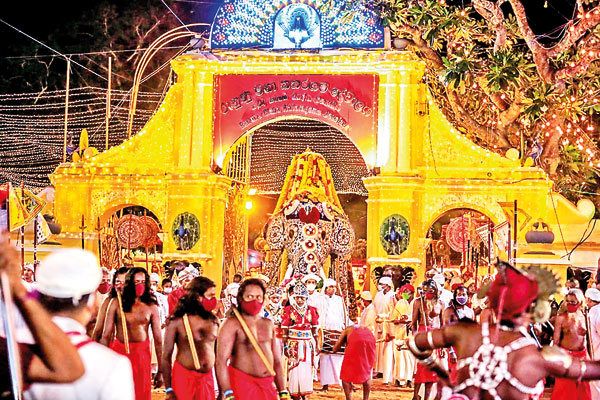
- Location: Kataragama, Southern Province.
- Significance: A multi-religious festival dedicated to Lord Skanda (Murugan) and venerated by Buddhists, Hindus, and Muslims.
Features:
- Fire-walking, processions, and rituals.
- A testament to Sri Lanka's religious coexistence.
Vel Festival (July/August)

- Location: Colombo.
- Significance: Celebrates Lord Murugan’s journey to a sacred shrine.
Features:
- Processions with a silver chariot carrying the deity’s weapon (Vel).
- Traditional music and dance.